Winter 2027 Sections Available
10 weeks · $625 each · All levels welcome, ages 16+ or by permission · No holidays or academic breaks during the Winter term.
Mondays
Jan 4 through March 8
9 am—12 pm · Emily Archer
5—8 pm · Emily Archer
Tuesdays
Jan 5 through Mar 9
9 am—12 pm · Rick Lacey
Wednesdays
Jan 6 through Mar 10
9 am—12 pm · Jairus Kiyabu
1 pm—4 pm · Isabella Antolic-Soban
Thursdays
Jan 7 through Mar 11
9 am—12 pm · Rick Lacey
Fridays
Jan 8 through Mar 12
9 am—12 pm · Rick Lacey
Registration opens November 2, 2026. Winter classes begin January 4, 2027
The Drawing Course introduces historically-based techniques and foundational drawing skills. Upon arrival, you’ll enter a fully-equipped professional studio. The instructor will guide you through projects that progressively increase in complexity, with exercises designed to develop your technical abilities and foster artistic growth. Classes take place in the DuMond Studio, where drawing and painting students work side-by-side, providing a collaborative environment for personalized, one-on-one instruction.
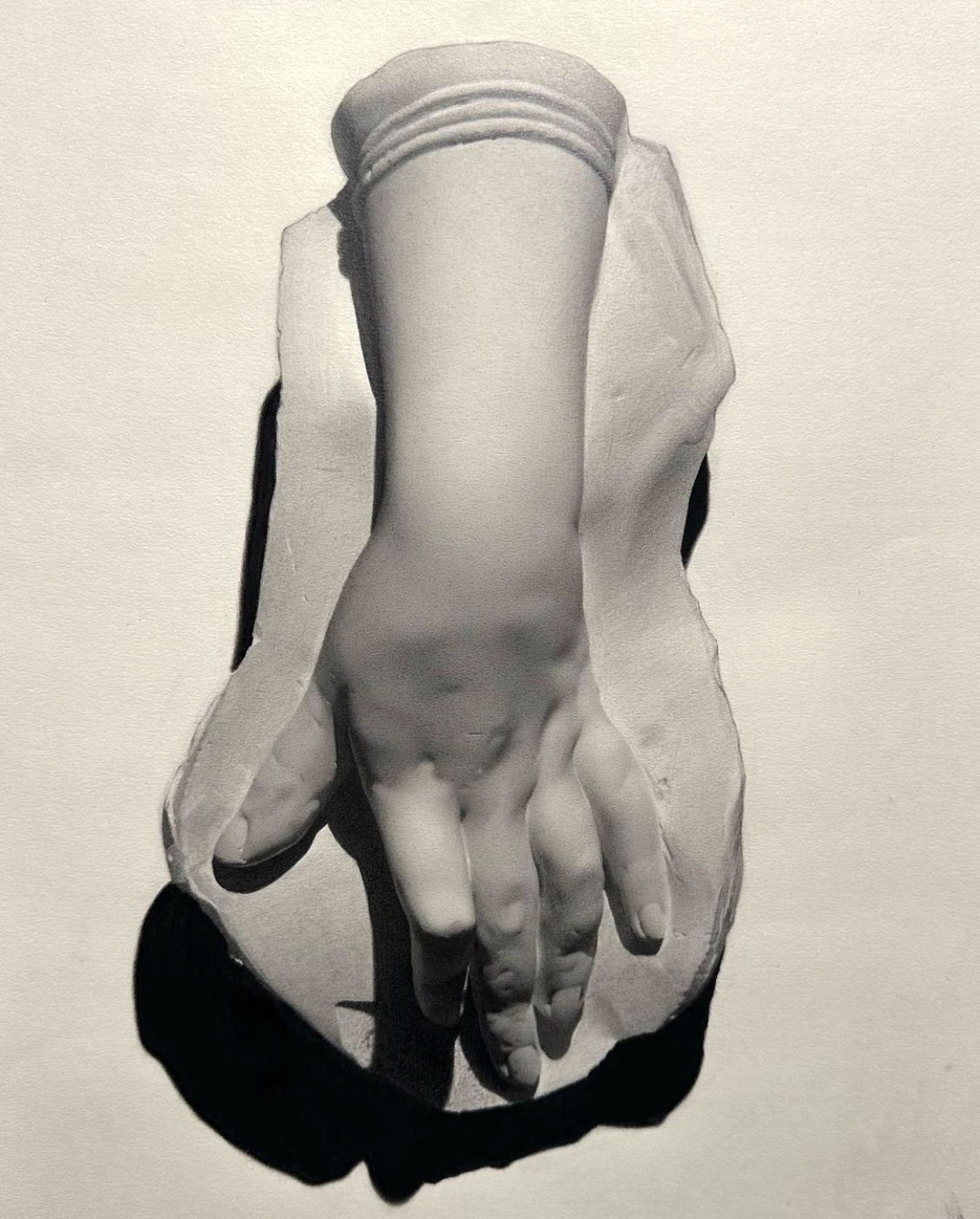
The course begins with copying a 19th-century print to explore the drawing process and foundational principles such as achieving accurate proportions and capturing light on form. You will then transition to working from a three-dimensional plaster cast, with guidance on creating accurate contours and light effects.
The curriculum emphasizes patience, craftsmanship, and precision. You are encouraged to progress at your own pace, typically over several trimesters, to build a solid, comprehensive skill set. This Drawing Course is an ideal foundation before advancing to painting.
Learning objectives
- Develop fluency with graphite to achieve sensitive value handling and subtle tonal transitions.
- Learn to simplify and organize complex visual information for clearer and more effective representation.
- Use line and tone to create the illusion of form and structure.
- Develop fluency with a versatile drawing approach applicable to all subjects.
- Develop sensitivity to tonal, structural, and proportional relationships.